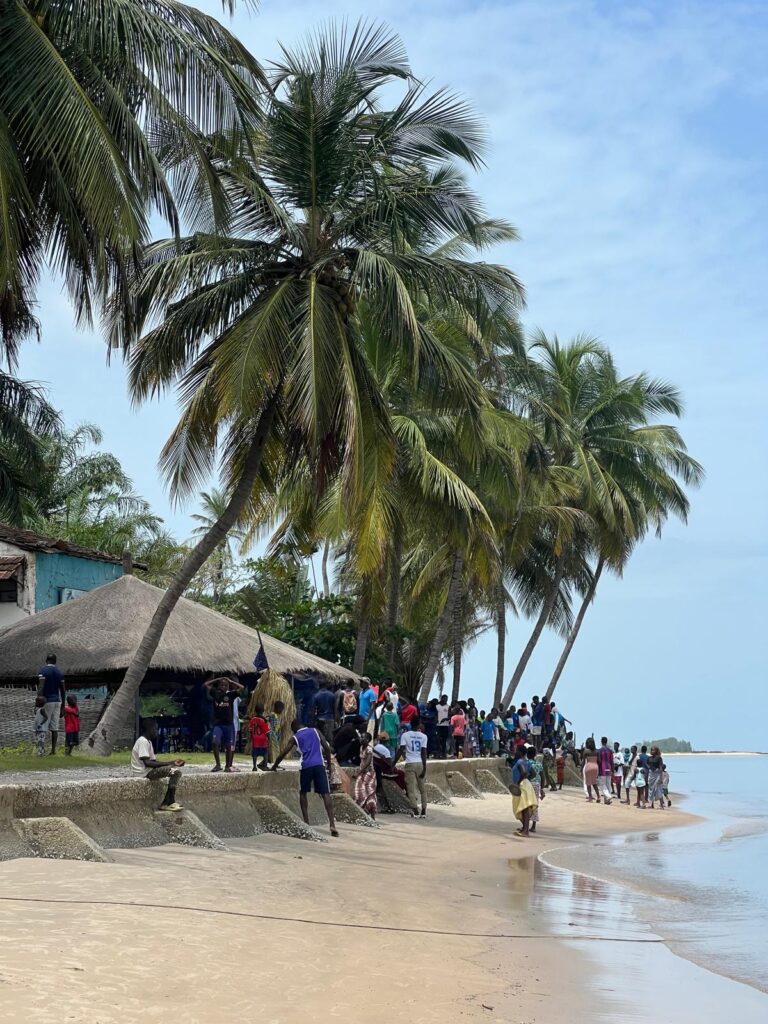
WHEN TO GO
Many people say the best time to visit The Gambia is during the dry season, from November to April. It is less hot, there are fewer mosquitoes (which lowers the risk of catching malaria) and the skies are clear.
If you are coming for birdwatching, November and December are especially good, just after the last rains, when the lagoons are full of water and attract large numbers of migratory birds. Even so, birds are easy to spot here all year round.
In reality, you can visit all year round. The rains are heavy but only last a certain period, and they do not stop the planned activities. It is fascinating to see the contrast between the two seasons, as it feels like visiting two different places.
HEALTH
There are no compulsory vaccinations for visiting The Gambia. The Yellow Fever vaccine is only required if you are arriving from an infected area. In Senegal, it is compulsory.
Vaccinations against Typhoid, Hepatitis A and B, Diphtheria and Tetanus are recommended, as is preventive treatment against Malaria. We advise booking an appointment at your travel health clinic, who will tell you what to do.
It is important to always have travel insurance.
OFFICIAL LANGUAGE
The official language of The Gambia is English, and in Senegal it is French, which most of the population speaks. In everyday life, though, you will not hear these languages that often, as each ethnic group has its own. For example, Mandinka is widely used in The Gambia, as is Wolof (also spoken in northern Senegal), and in the Casamance area, Jola.
It is always good to know a few words of the local language to get closer to people, for example: Esama (good morning in Mandinka); Abaraca (thank you in Mandinka); Jerejef (thank you in Wolof); Kasumay (how are you in Jola).
CURRENCY
The Dalasi is the official currency of The Gambia. The exchange rate fluctuates a lot from day to day; one euro is usually worth between 60 and 80 dalasis ( currently 1 eur = 74D) .
The CFA franc is the official currency of Senegal. Its exchange rate is stable: 1 eur = 650CFA
We advise bringing cash. There are some cash machines (not in every town), but fees are high and the cash available is often limited. Credit cards are more common in Senegal (though not widely), but in The Gambia you cannot use them outside certain hotels and upmarket restaurants.
*Both card payments in shops and cash machines are scarce, so it is best to always bring CASH.
VISAS
Nationals of the European Union do not need a visa to enter The Gambia or Senegal and can stay in the country for a maximum of 28 days.
Although you do not need a visa, if you arrive through Banjul airport there is a charge called the “Security Tax“. It is an entry and exit fee of 1,400D or 20 USD/€. So you will need to pay €20 both when entering and when leaving the country.
PACKING
- Mosquito repellent.
- Sunscreen.
- Small first-aid kit: gauze, antibiotics, anti-inflammatories, antihistamines if you are allergic, etc.
- Rain jacket. Especially in the rainy season.
- Short- and long-sleeved clothes.
- Comfortable footwear. Some stretches of the routes are on foot, and these will certainly be days full of activities and adventure. Comfortable shoes are highly recommended.
- Flip-flops and towel.
- Swimwear (bikini, swimming trunks…)
- Power bank. Not compulsory, but power cuts are common, so an external charger never hurts.
And something very important…. Room in your suitcase for souvenirs!
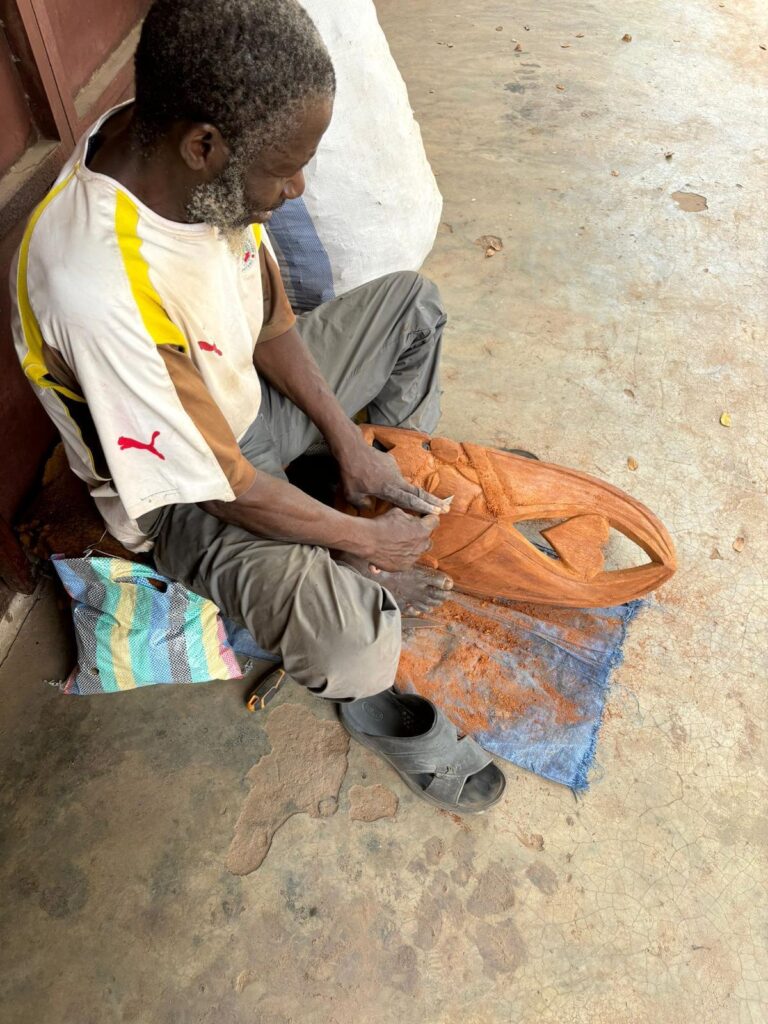
And that is the end of our little travel guide! We hope it helps and takes away any extra worries.
In short, to travel to The Gambia and/or Senegal, the most important thing is to wear light, comfortable clothes that protect you from the sun and insects. For the rest… enjoy your trip!