Start the adventure
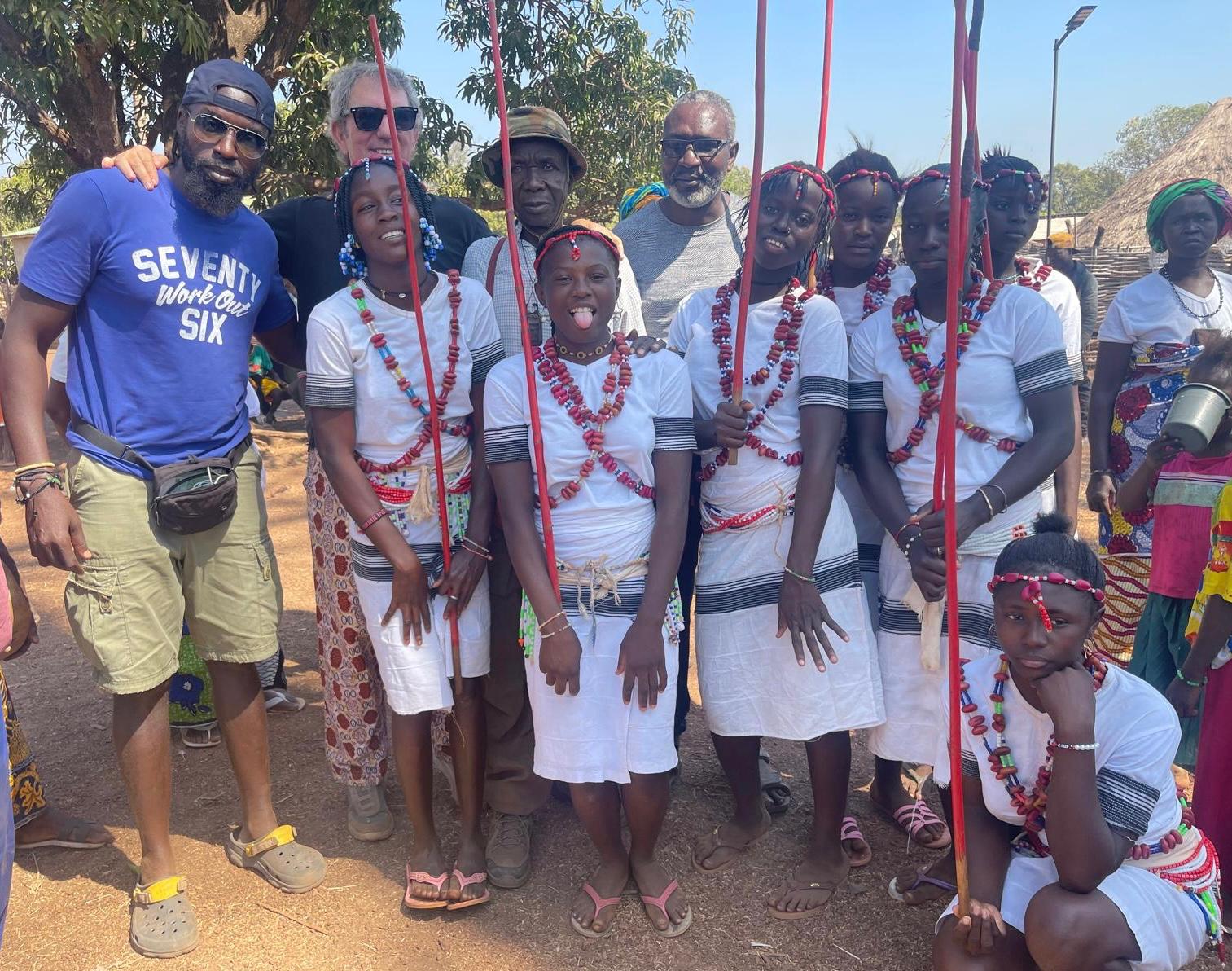
On this Senegal tour we travel through the main historic sites that reflect Senegal’s colonial past (Dakar, Gorée Island and Saint Louis), head into the south-east of the country to discover the remote Bassari Country, and finish in the lush south of Senegal, the region known as the Casamance. You can enjoy the country’s birdlife and nature, visit small villages of Senegal’s different cultures, and see beaches, local markets and fishing ports. We also discover Senegal’s delicious cuisine and set off on a 4x4 adventure across the dunes where the Dakar Rally once passed. You will immerse yourself in the culture of the Diola people: ancestral history, fetishes and rituals, and even an audience with the Diola King. An immersive experience in the heart of West Africa, all set in an incredible landscape of paradise beaches and dreamy sunsets.
Included / Not included
- Shared-room accommodation.
- Private transport throughout the trip.
- Driver and local guide.
- Fuel.
- Airport transfers.
- Booking fees and route design.
- Advice before and during the trip.
- Half board.
- Excursions mentioned in the itinerary.
- International flights
- Visits, activities and/or entrance fees not listed as included
- Drinks of any kind
- Travel insurance
- Personal extras such as snacks, laundry, phone, internet, first-aid kit...
- Special or unspecified diets
- Tips and souvenirs
- Single room (+€300)
- Extra costs arising from unforeseeable events beyond the reasonable control and due diligence of the expedition organiser
Map
Itinerary
Travel day.
Pick-up and welcome at Blaise Diagne International Airport.
Direct transfer to the accommodation.
Accommodation: Albergue Espace Thialy or similar
Breakfast, then we head for the Dakar jetty to take a ferry to Gorée Island, a UNESCO World Heritage Site since 1978 and one of the main centres of the slave trade from the 17th century.
After visiting the island, we return to Dakar and take a short tour of the capital of Senegal, a city full of contrasts that will not leave you indifferent. We walk through the most characteristic and historic parts of the city.
We then leave for Pink Lake (Lake Retba), where we stay near the lake.
Accommodation: Hotel Chez Salim or similar
After breakfast we start our visit to the lake and its dunes, the finish line of the old Paris-Dakar rally, in a 4×4 vehicle.
The lake is known for its pink colour when the sun is at its highest. Its salinity is very high, second only to the Dead Sea. We will watch women from the surrounding villages harvest salt directly from the lake bed.
We return to the hotel to pick up our luggage and continue towards Saint-Louis, the former capital of Senegal and a symbol of its colonial past.
On the way we stop for lunch and at a village of the Fulani (Peul) or Wolof people, where we begin to get to know the culture and way of life of Senegal’s communities and enjoy meeting its people.
Arrival in Saint-Louis, after crossing the Faidherbe bridge.
Accommodation: Oasis Fishing or similar
After breakfast, we begin our visit of the colonial city of Saint Louis, founded by French settlers in the 17th century and laid out in the mid-19th century.
It was the capital of Senegal and played an important cultural and economic role across West Africa. The city’s distinctive character comes from its setting on an island at the mouth of the Senegal River, as well as its regular street plan, its quays and its typically colonial architecture.
We say goodbye to Saint Louis after lunch and head for Lompoul, a small desert of dunes and golden sand where we sleep in a tent.
Accommodation: Camp Rêve de Nomade or similar.
After breakfast we set off for the holy city of Touba, where we visit its monumental mosque. It is one of the most visited mosques in Africa and a place of pilgrimage. It was built in 1926 to house the tomb of the Senegalese saint “Cheikh Ahmadou Bamba”. Among other curiosities, it is the third-tallest mosque in the world.
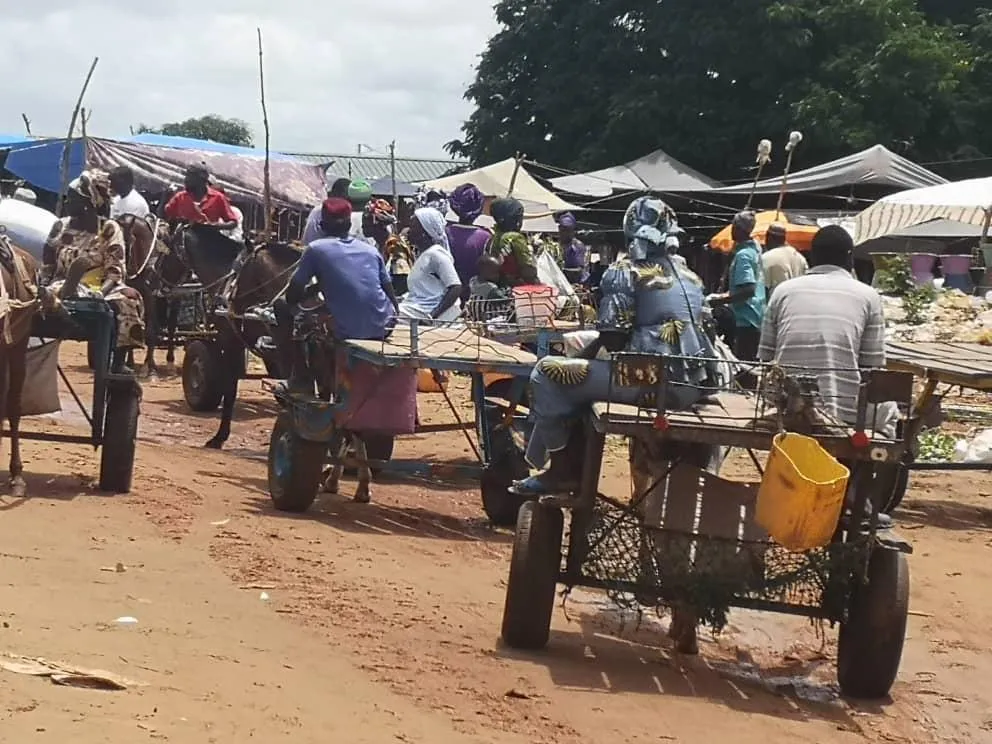
After visiting the mosque we continue to Kaolack, the capital of Sine Saloum, where we stroll around the town and visit its large market.
Accommodation: Hotel Relais or similar
Today is a long day in the car, so we have an early breakfast (around 6 am) and then set off for Mako.
We continue by road towards Tambacounda, stopping at Darsalam for lunch.
We carry on across Niokolo-Koba National Park before reaching Mako, where we sleep in an eco-camp beside the River Gambia, which runs through the park.
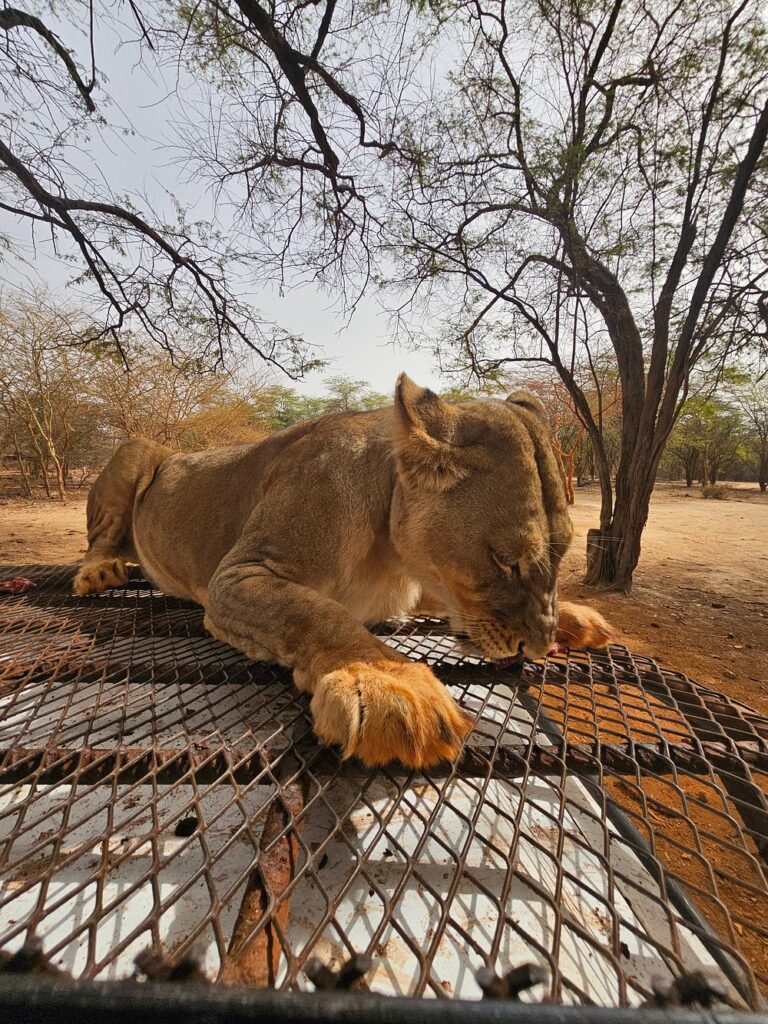
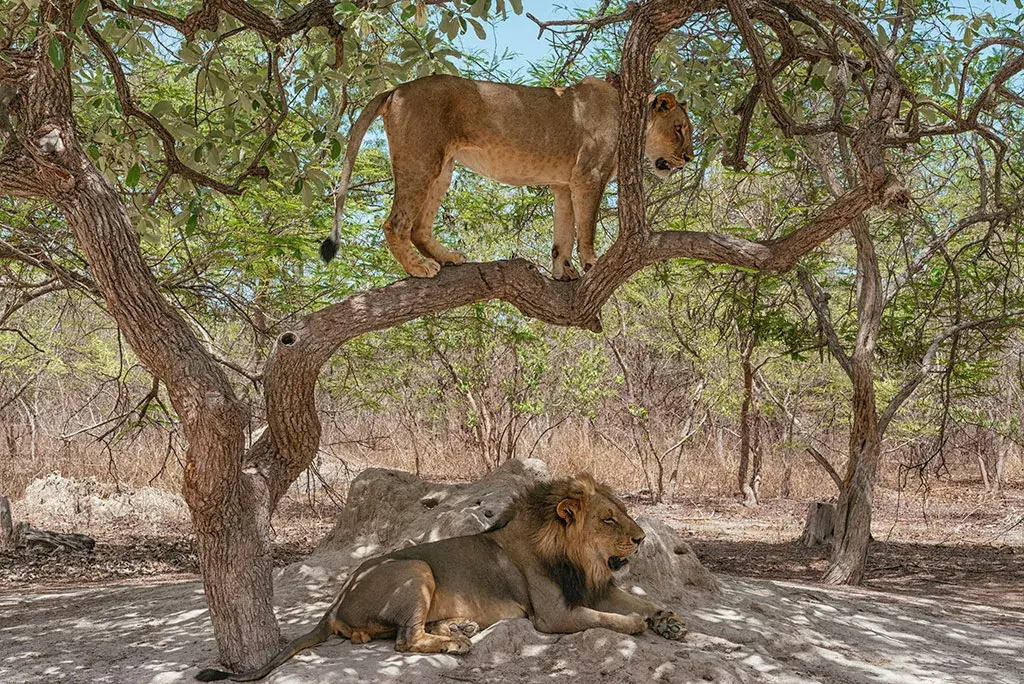
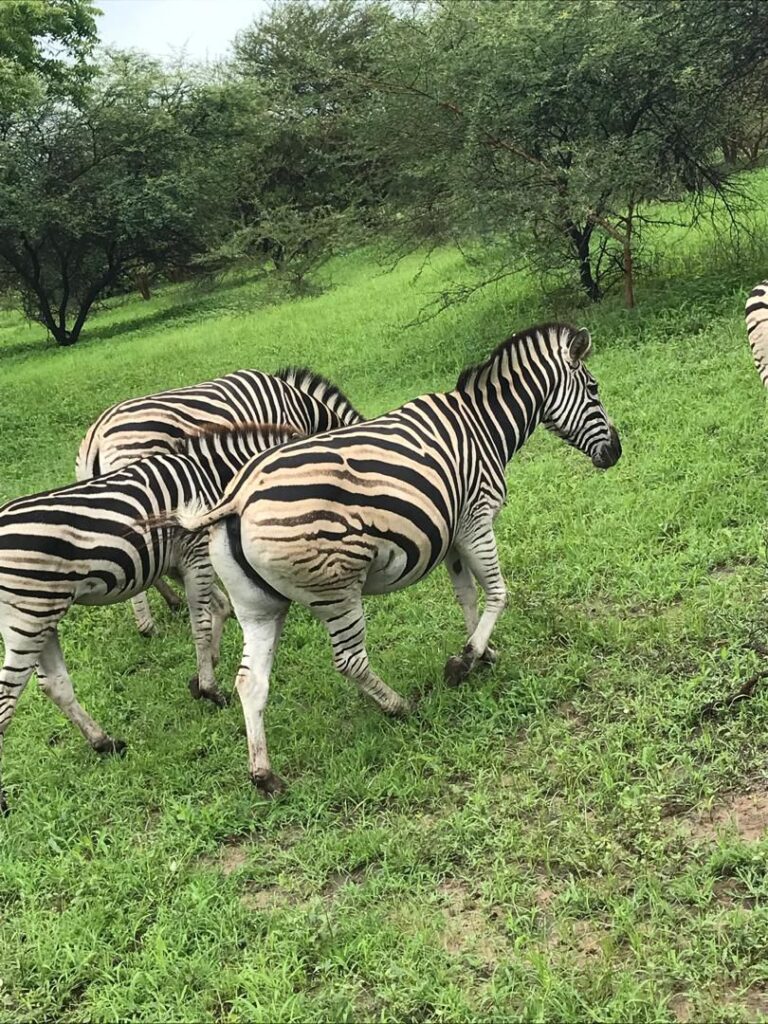
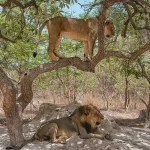
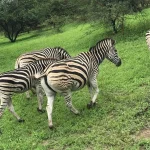
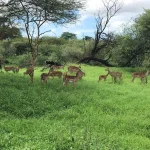
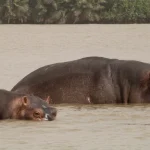
With a little luck we will see animals as we cross the park. After a short rest, we set off later on a walking excursion in search of hippos.
Back to the camp.
Accommodation: Badian eco-camp (community-run) or similar
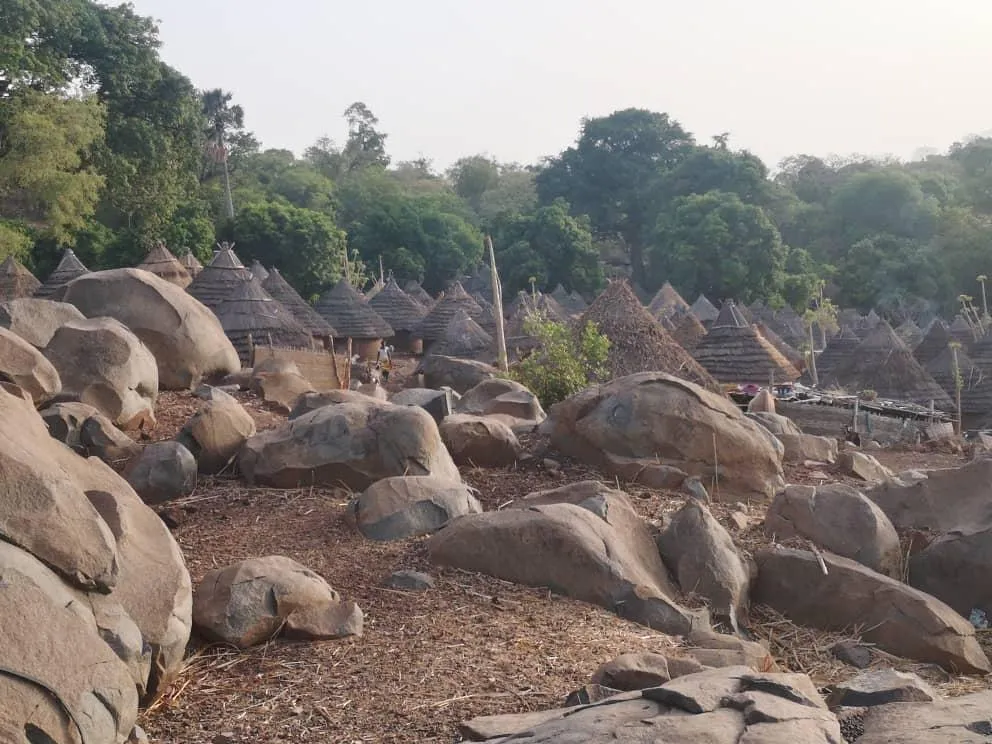
After breakfast, we head for the Bassari villages. After leaving our bags at the hotel, we make a short stop at Kédougou market, where you can do some shopping before heading into the villages.
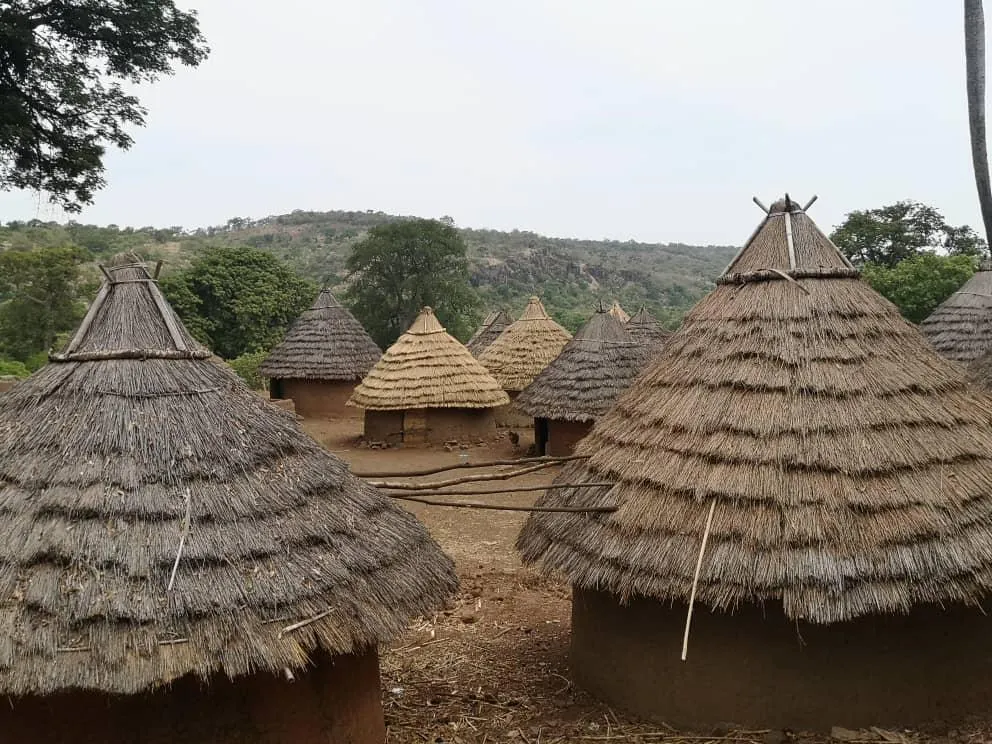
We drive about 25 km inland from Kédougou to Bandafassi, where we begin a trek of about an hour, climbing a hill of around 540 m. We reach the village of Iwol, where we see the most traditional way of life in the country.
Back to Kédougou, where we stay overnight
Accommodation: Hotel Relais Bedick or similar
After breakfast we head to the Fulani (Peul) villages in Dindefelo. From here we begin a trek up Dande mountain.
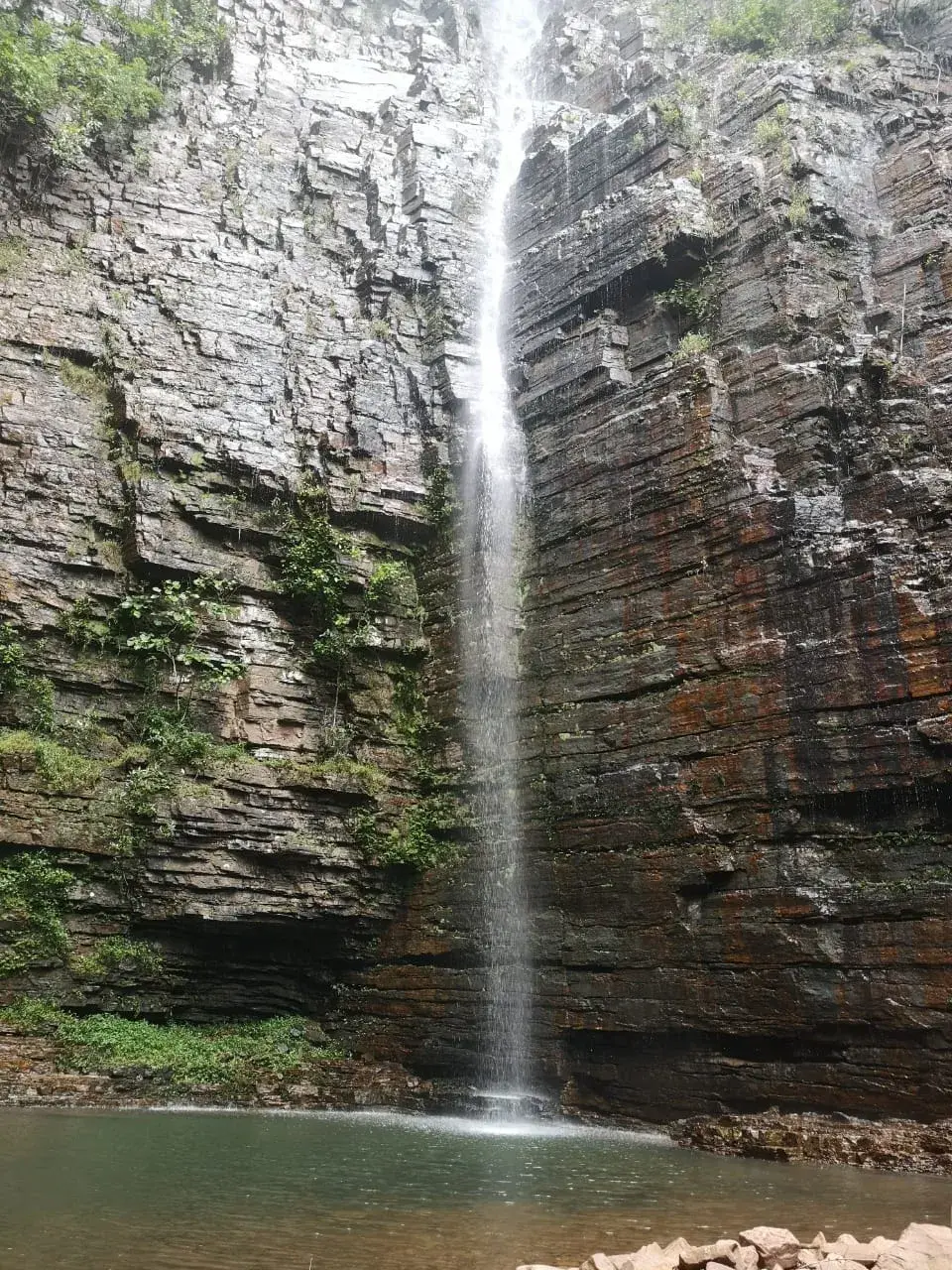
On the way we visit some caves and reach the goal of our trek, the Dindefelo waterfall. Here we can swim and relax in the natural pool of this impressive setting.
The Dindefelo waterfall is 115 metres high and forms a natural border with Guinea.
We have a picnic lunch during the trek.
We return to the camp, where our vehicle will be waiting to take us back to Kedougou.
Accommodation: Hotel Relais de Kaolack
We leave Tamba early in the morning for the capital of the Casamance, Ziguinchor.
On the way we cross fields of groundnuts, millet, maize and rice, and you will soon notice that we are entering one of the most beautiful and pleasant parts of the country, for its climate, its people and its atmosphere in general.
After a few hours on the road we reach Ziguinchor, where we visit the city and have lunch.
After lunch we continue towards Seleky, where we spend the night
Accommodation: Solidarity camp or similar
After breakfast we set off on a boat trip along the tributaries of the Casamance towards Eloubaline.
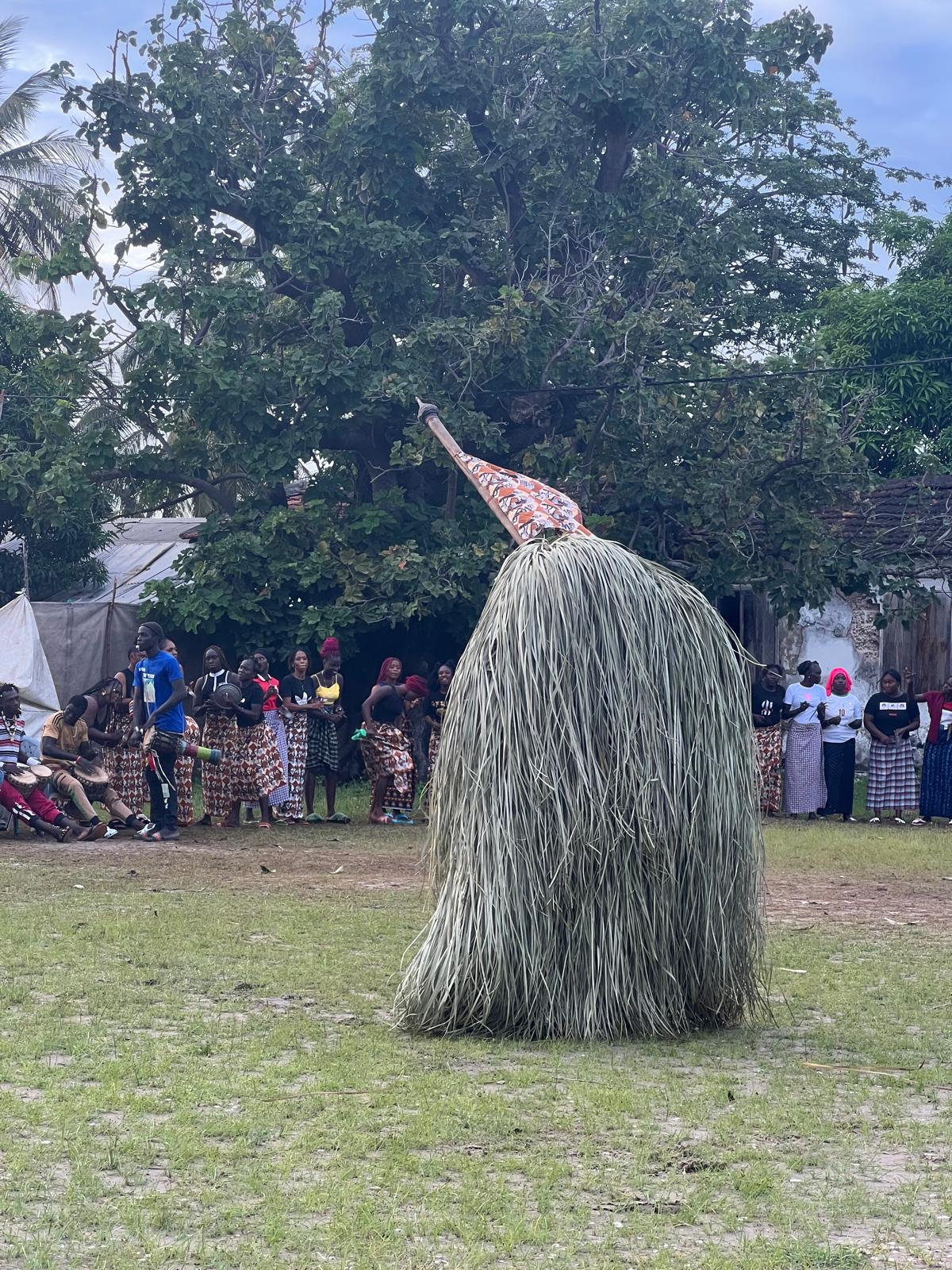
In Eloubaline a local guide shows us the village, its streets, its sacred places and its fetishes, which protect the village in the traditions of animist culture. We also visit the impluvium houses, designed to collect rainwater.
After the visit we return to the boat and head for Edioungou, where our driver will be waiting to take us to Oussouye, where we spend the night.
Oussouye is a very important community of the Diola kingdom. In the afternoon we have an audience with the Diola king, who tells us about his life and how he was chosen.
Accommodation: chez Pierre, Aljoe or similar
We leave OUSSOUYE after breakfast for Mlomp, a village whose inhabitants are mostly animist, famous for its architecture and its two-storey adobe houses, unique in West Africa. We visit the local Mlomp museum, housed in an impluvium house, where we are shown the different instruments and tools the Diola people use in their daily lives.
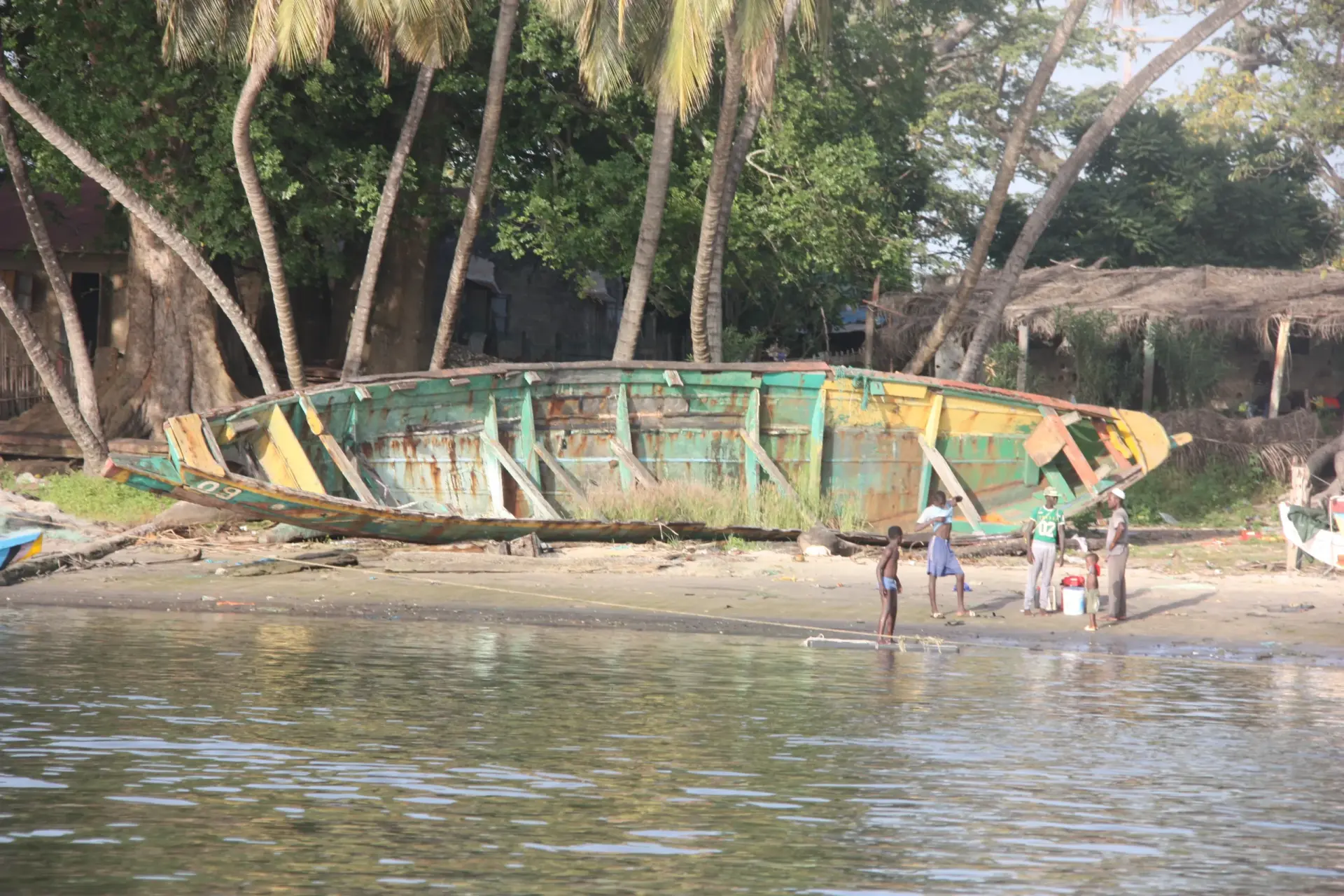
After Mlomp, we continue to Elinkine (a fishing village), where we board a canoe for Carabane island.
When we reach the island, lunch is waiting for us. With our energy restored, we explore the island, admiring its ruined colonial houses, the school, its Breton-style church and the curious Catholic cemetery that runs along the beach.
Accommodation: Camp Chez Bouba or similar
After breakfast, we take the canoe back to meet our driver and head for Cap Skirring.
On the way, we stop at Boucotte to visit the Diola culture museum.
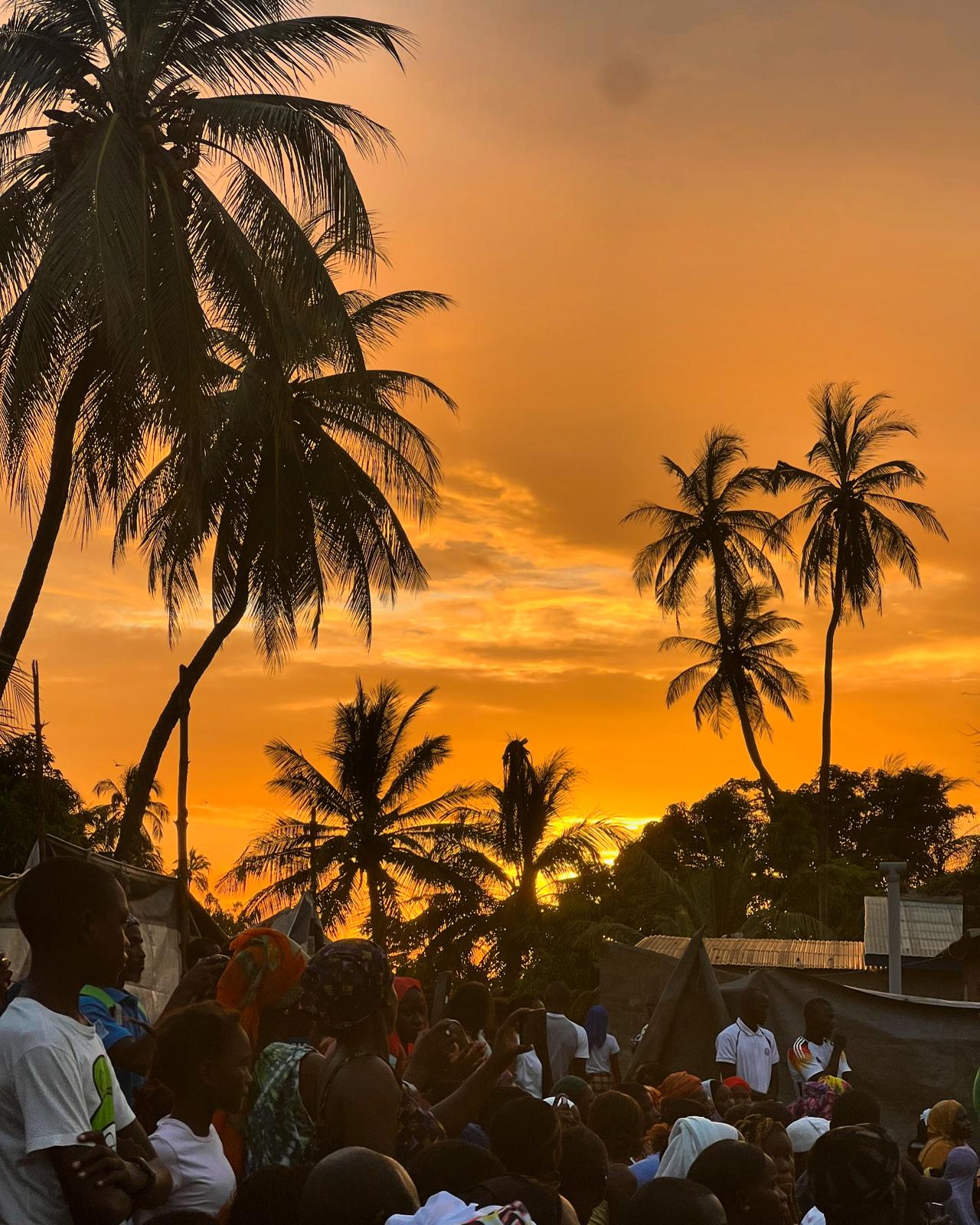
Our final destination is Kabrousse, the last village of the Casamance on the coast. After settling into our accommodation, we visit the village, strolling through its craft market, before going back to the hotel, where you can enjoy the pool and the sunset on the beach.
Accommodation: Hotel Maya or similar
After breakfast we head back to the north of Senegal.
Today is a long day, with most of our time on the road, stopping several times to make the journey more pleasant.
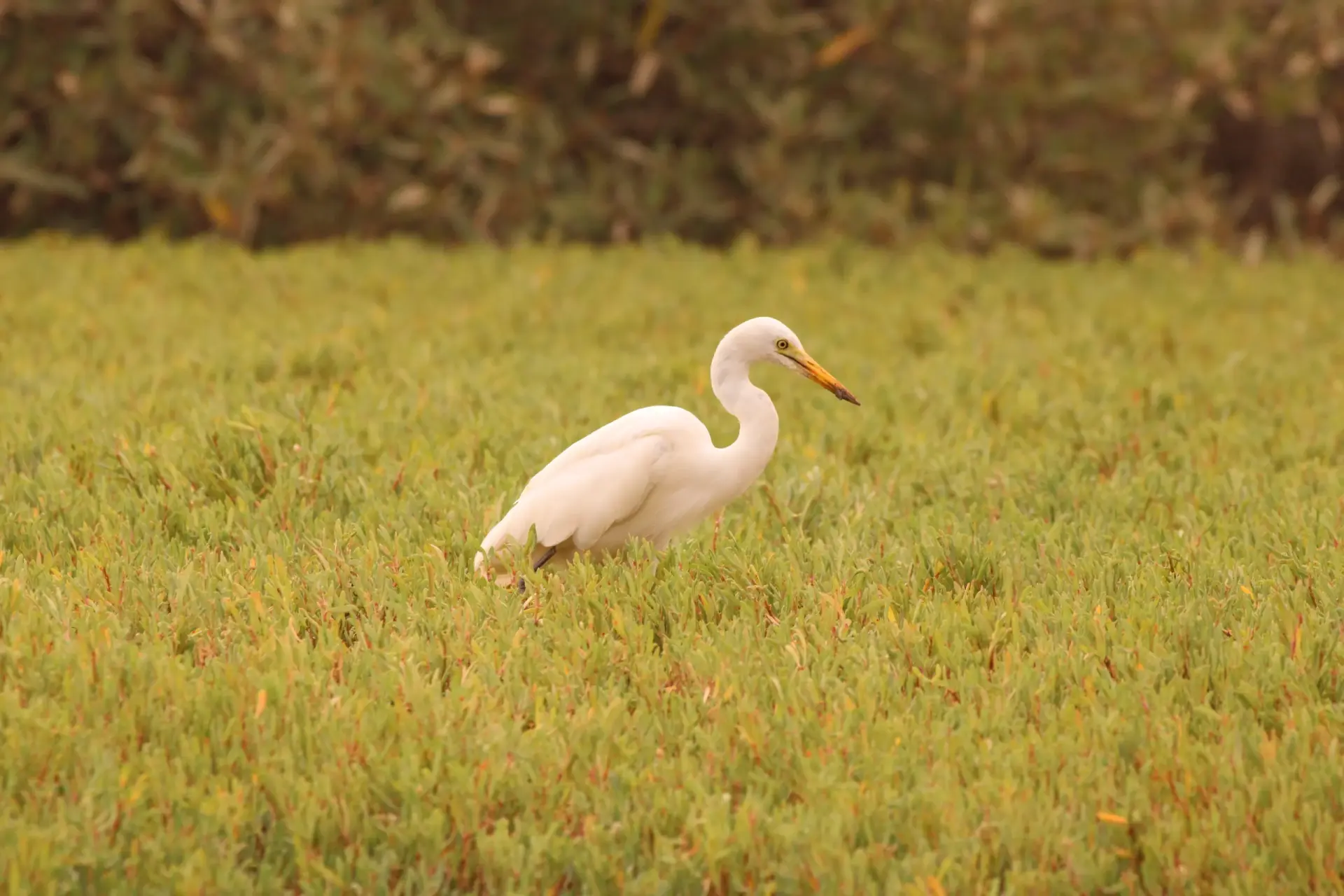
We arrive at Ndangane and board a pirogue to Mar Lodji Island. On the way we visit an area of the Saloum Delta called « Bird Island », where you can see different species of birds such as herons, pelicans, kingfishers, cormorants, spoonbills…
Accommodation: Nouvelle Vague camp or similar
Breakfast, then we leave for Joal-Fadiouth, stopping on the way at a palm grove and to see the largest baobab in Senegal.
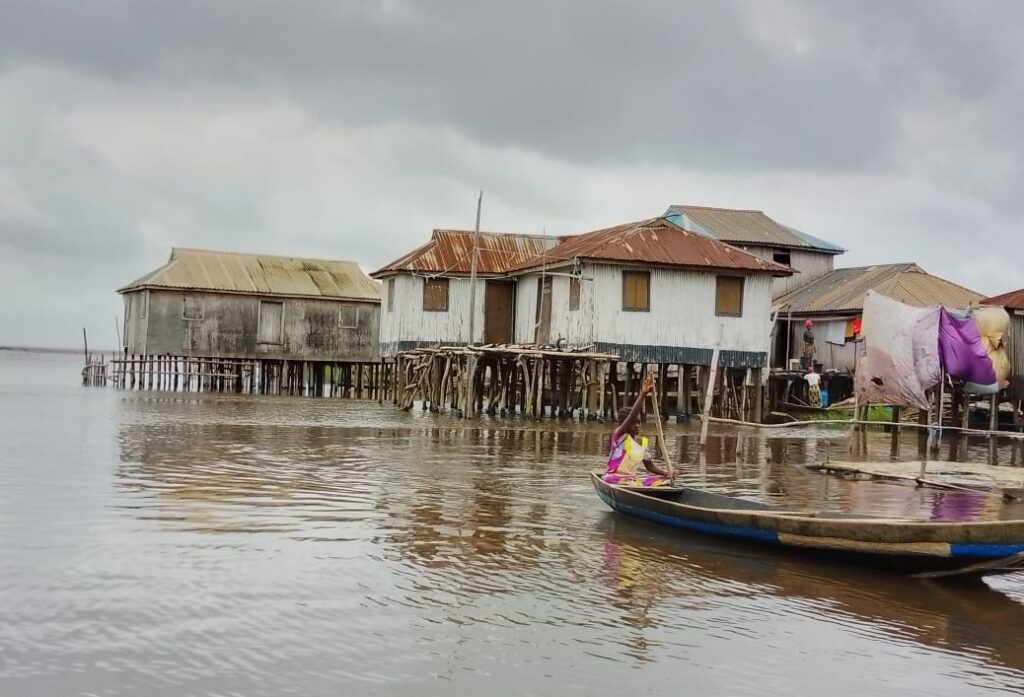
Arrival in Fadiouth, a village facing Joal and built on an arm of the sea lined with mangroves full of oysters. Fadiouth is in fact an artificial island built from seashells collected by fishermen over centuries and joined to the coast by a wooden bridge. We visit the mission and the Catholic cemetery, which has a singular beauty. We can also see the granaries built over the water of the river, on wooden stilts, which can only be reached by pirogue.
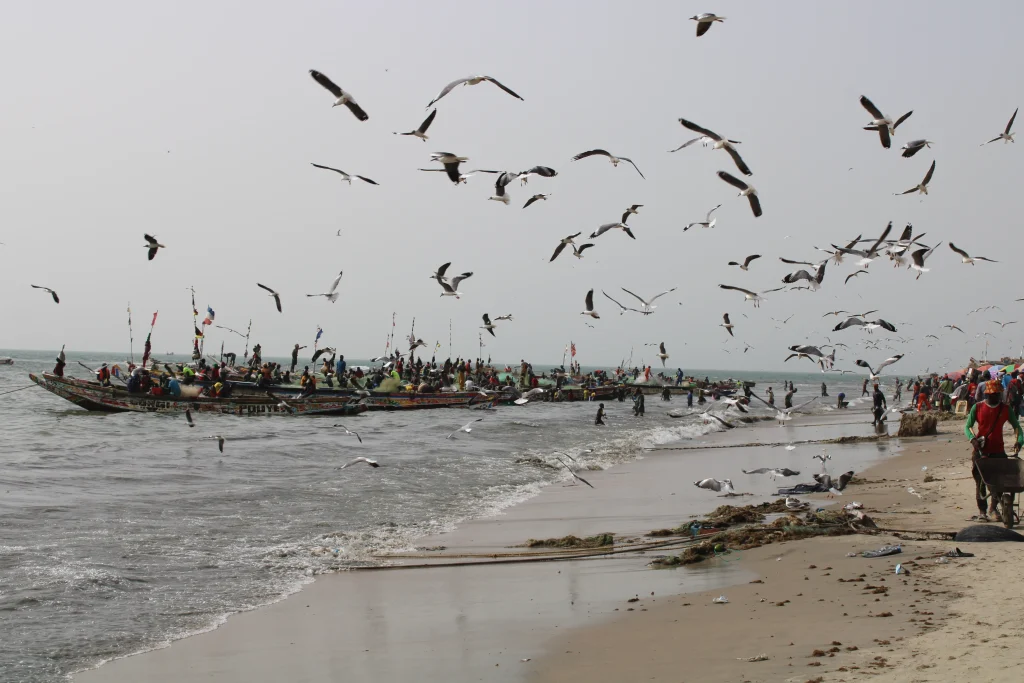
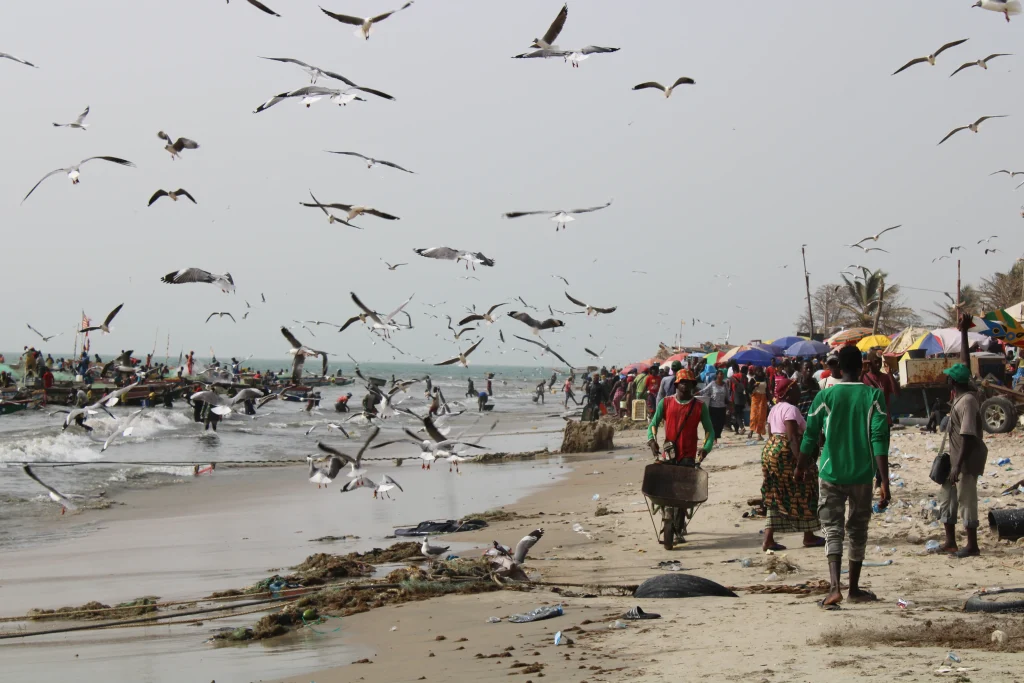
We then head for the fishing port of Mbour, where we have the chance to watch the boats return after a hard day’s work, a lively and colourful spectacle.
Accommodation: Hotel Blue Africa or similar
Free morning to make the most of the beautiful beach and the surroundings of the accommodation.
After lunch, we head to the airport. This is where the adventure ends, and we are sure you will always remember it. You will take home a backpack full of dust and unforgettable memories.